
Stormwater basins are a common feature in developed communities, designed to collect and temporarily hold rainwater to reduce flooding. However, while conventional detention basins serve an important purpose, they often fall short when it comes to improving water quality and supporting the environment.
Naturalizing stormwater basins can transform these spaces into functional, ecological assets that reduce pollution, improve water infiltration, and enhance local habitats.
The Problem with Conventional Stormwater Basins
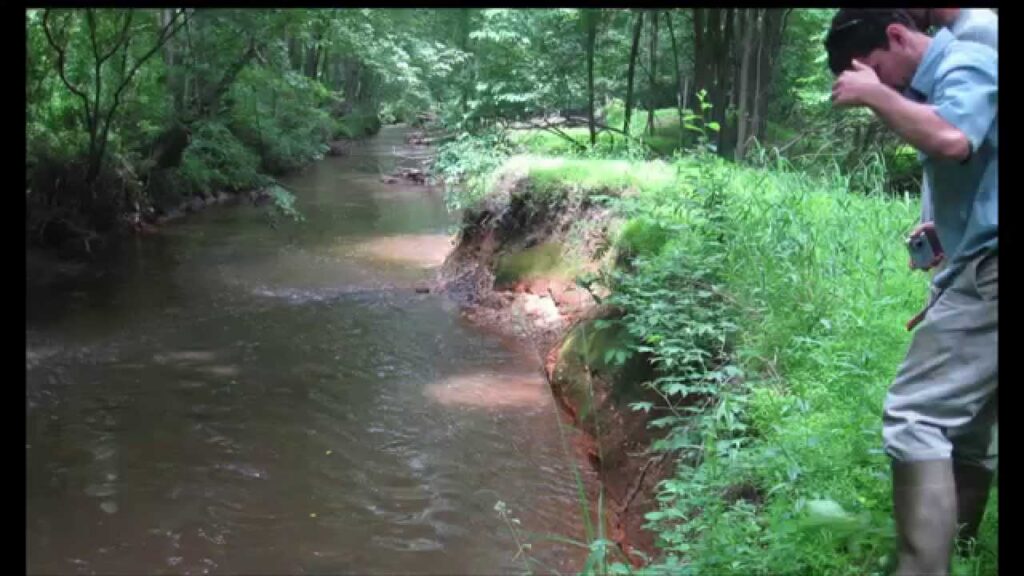
When it rains, stormwater runoff flows from roads, parking lots, and other hard surfaces into detention basins. These basins are designed to hold water and release it slowly, but many older systems have significant limitations.
Common issues include:
- Polluted “first flush” runoff flowing quickly through concrete channels into waterways
- Compacted soils that prevent water from soaking into the ground
- Poor maintenance leading to standing water and mosquito concerns
- Lack of habitat, often attracting nuisance wildlife like Canada geese
Rather than improving water quality, many basins simply move pollution downstream.
What Does It Mean to Naturalize a Basin?
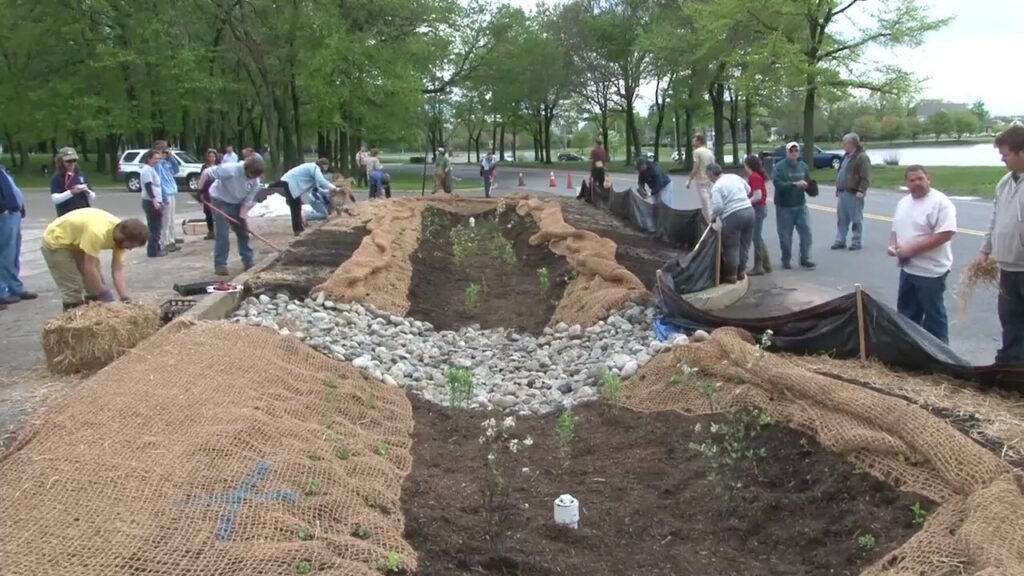
Naturalizing a stormwater basin involves replacing traditional turf grass and hard infrastructure with native plants and improved soil conditions. This approach allows the basin to function more like a natural ecosystem.
By incorporating native vegetation and decompacted soils, naturalized basins can:
- Absorb and slow down stormwater runoff
- Filter pollutants such as sediment and nutrients
- Recharge groundwater supplies
- Provide habitat for birds, butterflies, and amphibians
Instead of being purely functional, these basins become living systems that support both environmental health and community beauty.
Key Steps in the Naturalization Process
The video walks through the major phases involved in converting a traditional basin into a naturalized one:
Site Selection & Planning
Ideal candidates include older basins with maintenance issues, compacted soils, or outdated designs. Soil testing, infiltration analysis, and hydraulic review are essential to ensure proper function.
Construction & Decompaction
Improvements may include removing concrete low-flow channels, regrading the site, adding compost, and decompacting soil to allow water to infiltrate more effectively.
Planting with Native Species
A diverse mix of native plants is installed to handle both wet and dry conditions within the basin. These plants establish quickly, stabilize soil, and enhance biodiversity.
Community Involvement
Volunteer planting efforts can reduce costs while educating residents and building community support for sustainable practices.
Addressing Community Concerns
Naturalized basins may look different from traditional mowed landscapes, but they offer long-term benefits. While some residents may worry about mosquitoes or appearance, these systems actually support natural predators that help control pests and create vibrant, seasonal landscapes filled with native plants and wildlife.
Supporting a Healthier Watershed
Naturalizing stormwater basins is one of several strategies being implemented as part of the Manalapan Brook Watershed Restoration Project. By improving how stormwater is managed at the source, these efforts help reduce sediment and nutrient pollution, protect waterways, and restore ecological balance.
Follow the Project & Learn More
This post is part of an ongoing series documenting restoration efforts within the Manalapan Brook watershed.
Return to the main project page to explore the full initiative and see how these efforts fit into the larger watershed restoration plan. Follow along for more updates highlighting specific projects, techniques, and progress as this work continues.
Discover more from Freehold Soil Conservation District
Subscribe to get the latest posts sent to your email.