
Shoreline restoration is an effective way to improve water quality, reduce erosion, and enhance habitat—but long-term success depends on proper maintenance. While these projects are designed to be low maintenance, they still require ongoing care, especially in the first few years after installation.
Discover the essential maintenance practices needed to ensure that shoreline restoration projects continue to function as intended and thrive over time.
Why Maintenance Is Critical
A restored shoreline should be treated as a natural system, similar to a meadow or forest. That means allowing natural processes to occur while providing targeted support during the establishment phase.
A written maintenance plan is an essential component of any restoration project. It should outline routine inspections, preventative care, and corrective actions, ensuring that responsibility for maintenance is clearly defined and documented.
Watering During Establishment
Watering is especially important during the first growing season. Newly installed plants typically require about one inch of water per week, with adjustments made for rainfall or drought conditions.
As plants become established and root systems develop, the need for supplemental watering decreases significantly.
Managing Weeds and Invasive Species
Controlling invasive species is one of the most important maintenance tasks in the early years. Invasive plants can quickly outcompete native vegetation if not addressed.
Key practices include:
- Regular weeding during the first three years, especially in spring and mid-summer
- Removing invasive plants before they go to seed
- Keeping a plant list and reference guide to distinguish native species from unwanted plants
As native plants mature and fill in, they naturally reduce the need for ongoing weed management.
Mowing and Vegetation Management
Mowing requirements depend on the type of restoration:
- Meadow-style plantings: May be mowed once per year in early spring before new growth begins
- Tree and shrub plantings: Typically do not require mowing; minimal trimming may be done if necessary
Dead vegetation should be left in place during the winter, as it provides habitat for wildlife and supports natural reseeding.
Replanting and Maintaining Coverage
It is normal for some plants not to survive the first year. Replanting or reseeding should be done in the second year after identifying and addressing the cause of plant loss.
Maintaining strong vegetation coverage—ideally around 85%—is critical to preventing erosion and ensuring the shoreline buffer remains effective.
Monitoring and Ongoing Inspections
Regular monitoring helps identify issues early and keeps the project on track. Monthly inspections are recommended, along with the use of a checklist to evaluate:
- Plant health and coverage
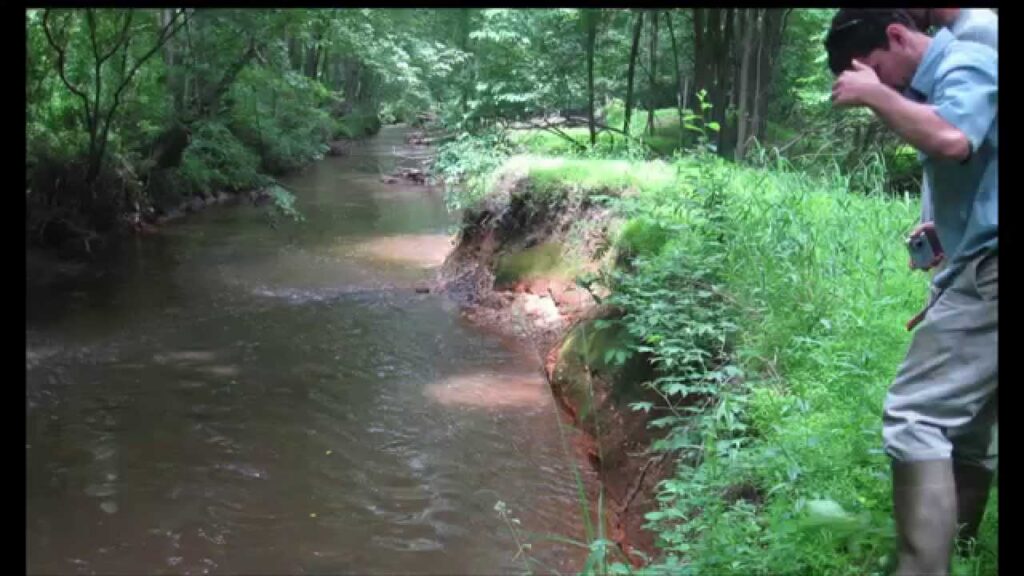
- Signs of erosion or developing gullies
- Presence of invasive species
- Condition of fencing, goose deterrents, and erosion control materials
Documenting progress with photos over time is also an effective way to track success and communicate results.
Supporting Long-Term Success
Maintenance should be considered from the beginning of any shoreline restoration project. Even though these systems are designed to be sustainable, they require attention to ensure they continue to improve water quality, provide habitat, and enhance the surrounding environment.
With proper care, a restored shoreline becomes a self-sustaining, resilient natural area that benefits both the ecosystem and the community.
Follow the Project & Learn More
This post is part of the Manalapan Brook Watershed Restoration Project series. Return to the main project page to explore the full initiative and see how shoreline restoration and maintenance contribute to improving water quality throughout the watershed.
Follow the project for continued updates, restoration highlights, and practical solutions that support healthier waterways across New Jersey.
Discover more from Freehold Soil Conservation District
Subscribe to get the latest posts sent to your email.